
Description
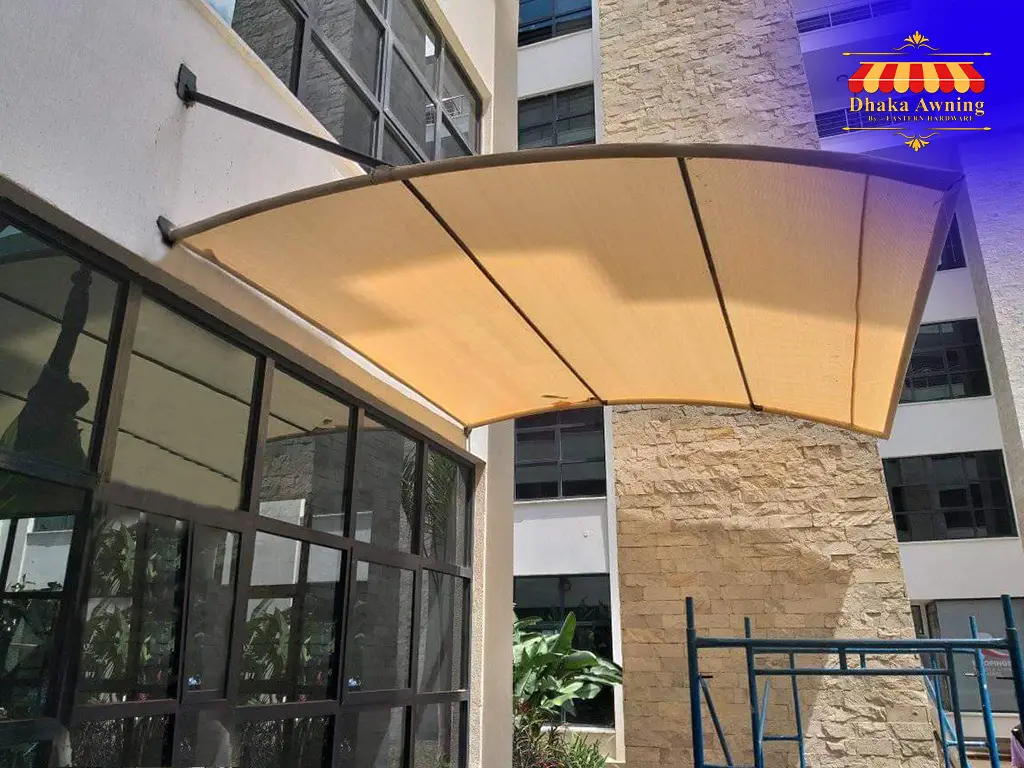
We supply sail Shades in BD.
Forms and functions:
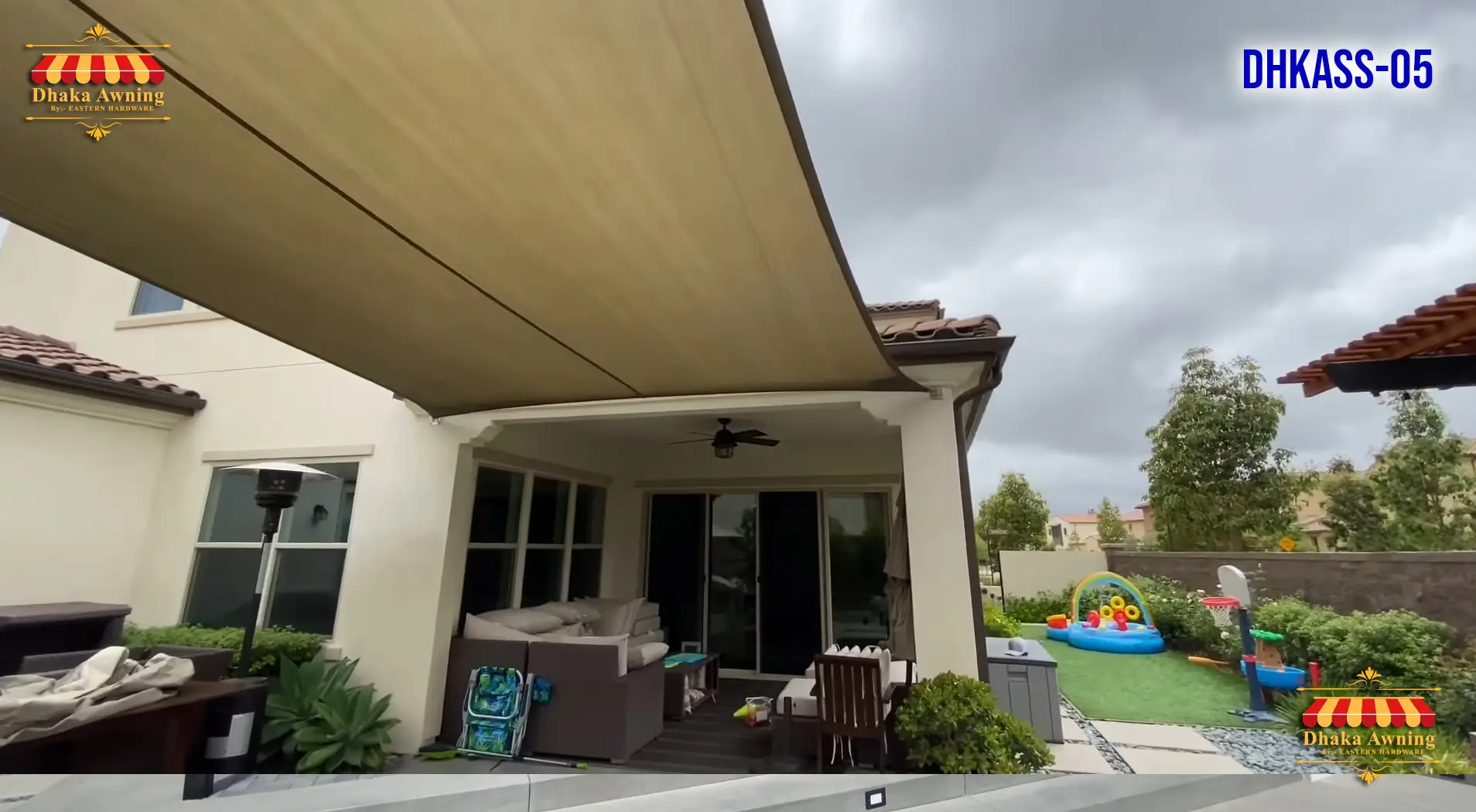
Our Sail Shade fabric is made of tightly woven, high-density polythene (HDPE), polyvinyl chloride (PVC), or nylon fabric. Which extends the fabric and installs shed sails using a stainless steel D-ring and turnbuckle (stainless steel devices for adjusting tension) to attach shade angles to a stable structure (such as a roof, post, wall, or tree) Is. Properly covered, it will withstand plenty of adverse conditions.
Type:
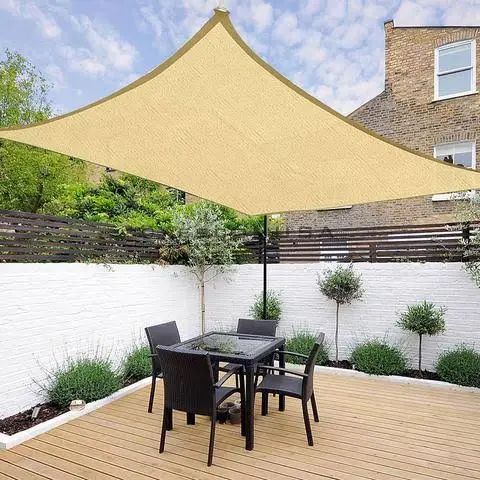
Shade sails are generally of three types: triangles, squares, and rectangles. Of the three, triangular sails are the most popular. This is because there is a possibility of water freezing in the middle of the square shed. The triangular Sail Shades look great both small and large.
Weather resistance:
Our Sail Shade works 99% to protect the sun’s harmful rays UV (ultraviolet). So your skin is 100% protected. In addition to UV protection, it will protect you from rain and wind. If you want to create a comfortable space between the cold winter air and the scorching sun. This would be best for you.
Advantages of HDPE material:
- One of the advantages of HDPE material is that. It allows extended breathing, wind, and rain to pass without damaging the shadow. Although HDPE can withstand a lot of heat, light wind, and rain. It will not be able to protect you during strong storms. So if you know that a strong thunderstorm or cyclone is coming, then of course you can easily open the Sail Shade and put it in a safe place.
- PVC is less breathable, but it is waterproof. This is helpful if you want to use your shade during summer showers. In this case, you need to keep your flock in a diagonal position so that it does not collect water (which leads to a heavy, drooping tent).
Measurement and installation:
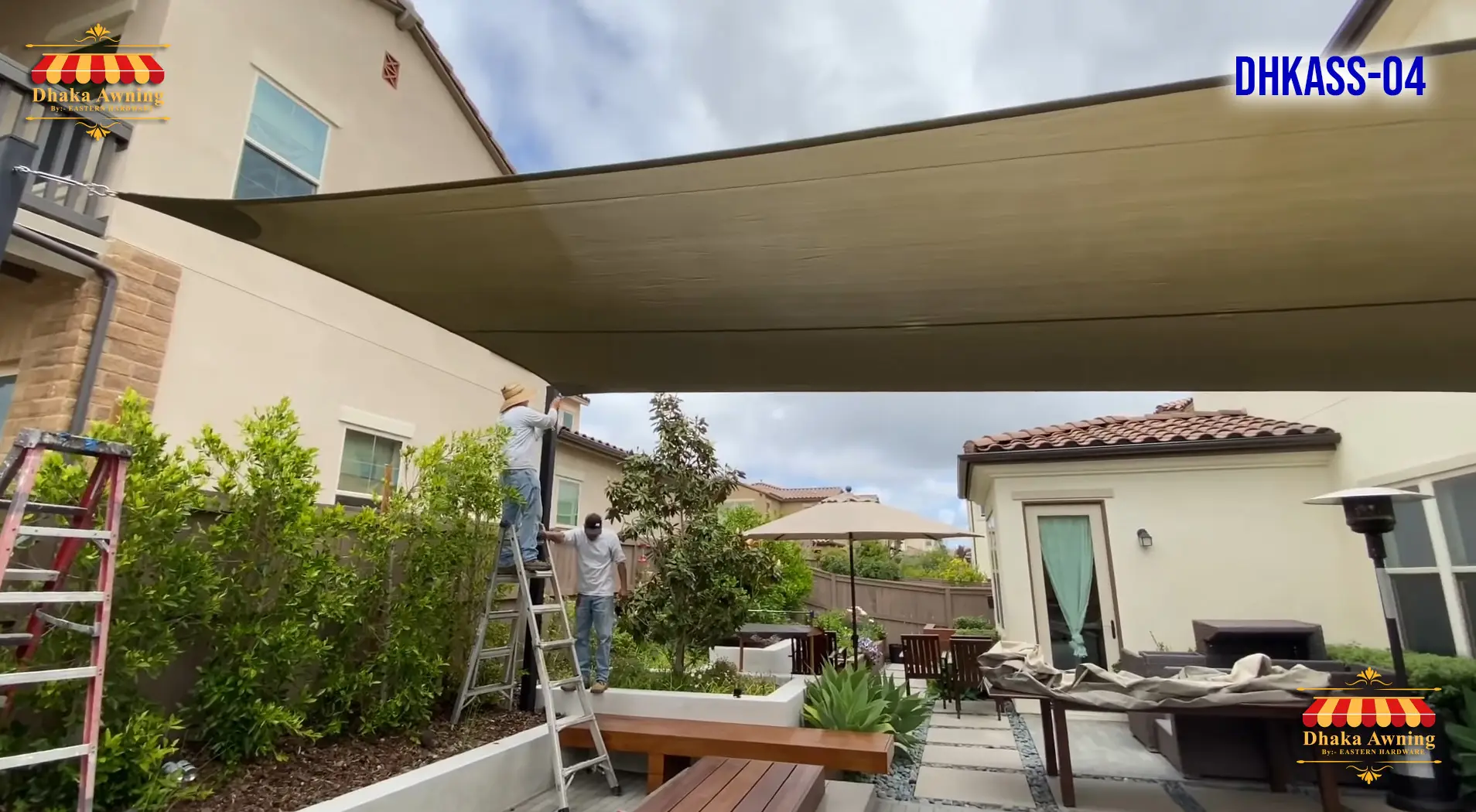
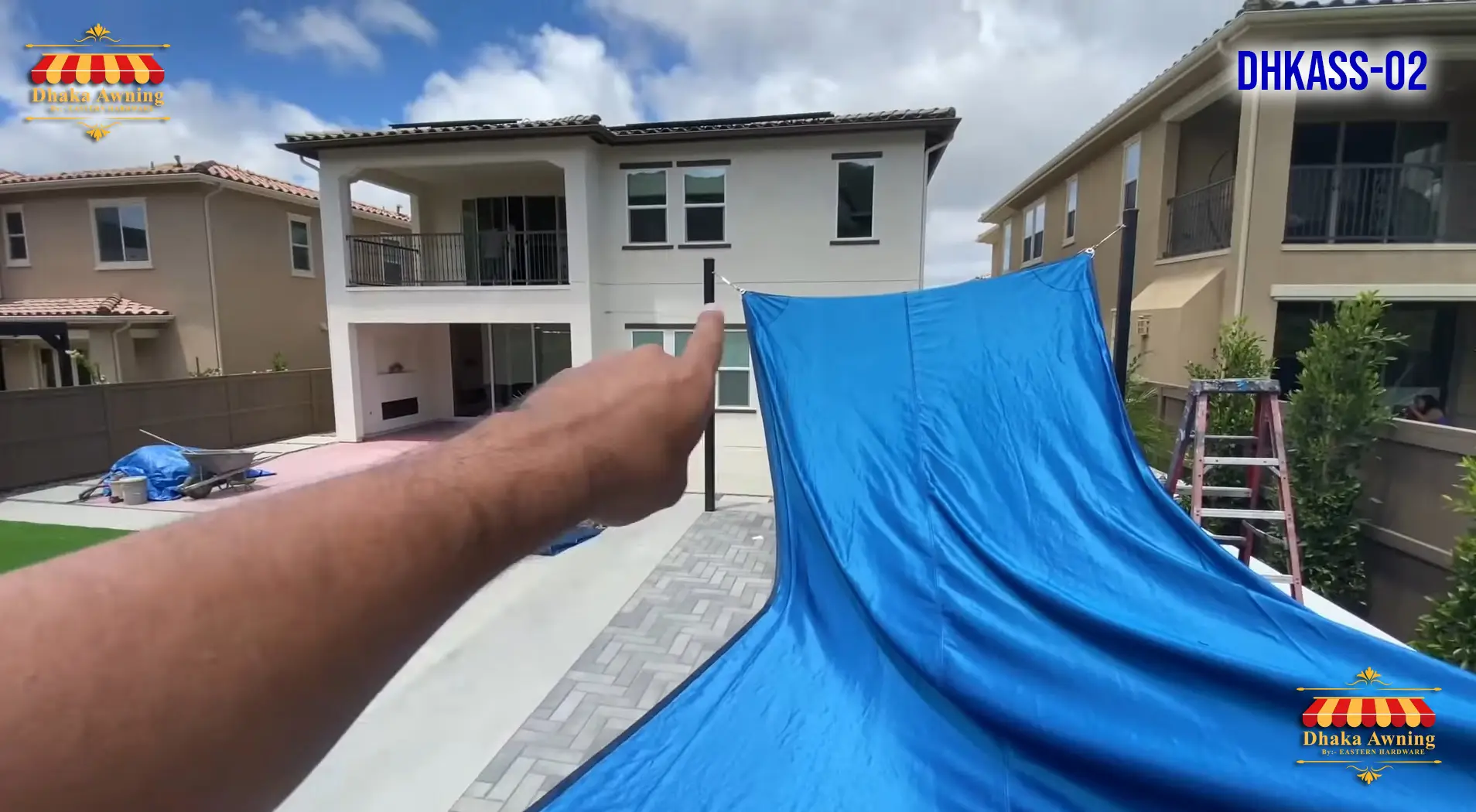
Before installing a Sail Shade, be sure to accurately measure your placement. Leave a fence (1.5 to 2 feet) around the shaded area for the turnbuckle, which will attach the feathers to your roof or other high structure. Note: Shed sails are measured from the edges of their D-rings, which are fitted at each corner for the purpose of hanging. In most cases, you will need to purchase a hardware kit intended for sailing a triangle or rectangle.
When installing on the roof of your house, make sure that there are poles of certain dimensions on three sides or around the roof. Both rectangular and triangular shade sails are most often installed in a diagonal position so that the rainwater drains away quickly. However, many residential shed sails are made with HDPE material, through which water can pass. In this case, it is possible to flatten or twist it into a hyperbolic paraboloid (also known as a hyper twist). This three-dimensional shape is achieved by connecting one or two angles higher than the other. The advantage of a twist is a wider distribution of surface tension and a stronger shade sail overall. The end result is also aesthetically pleasing.
Large Sail Shades extend your shaded area without too much tension. When you want to install overlapping sails on top of the Sail Shade, make sure you leave a minimum of 12 inches between them. If this is not the case, wind and weather can cause the sails to rub against each other, causing immediate damage to the fabric.
Reviews
There are no reviews yet.